
Federal case dossier / active litigation
United States v. Levy Armstrong
Warrant applications denied. Use of administrative summonses remains disputed.
Evidence gallery / primary records
The documentary record
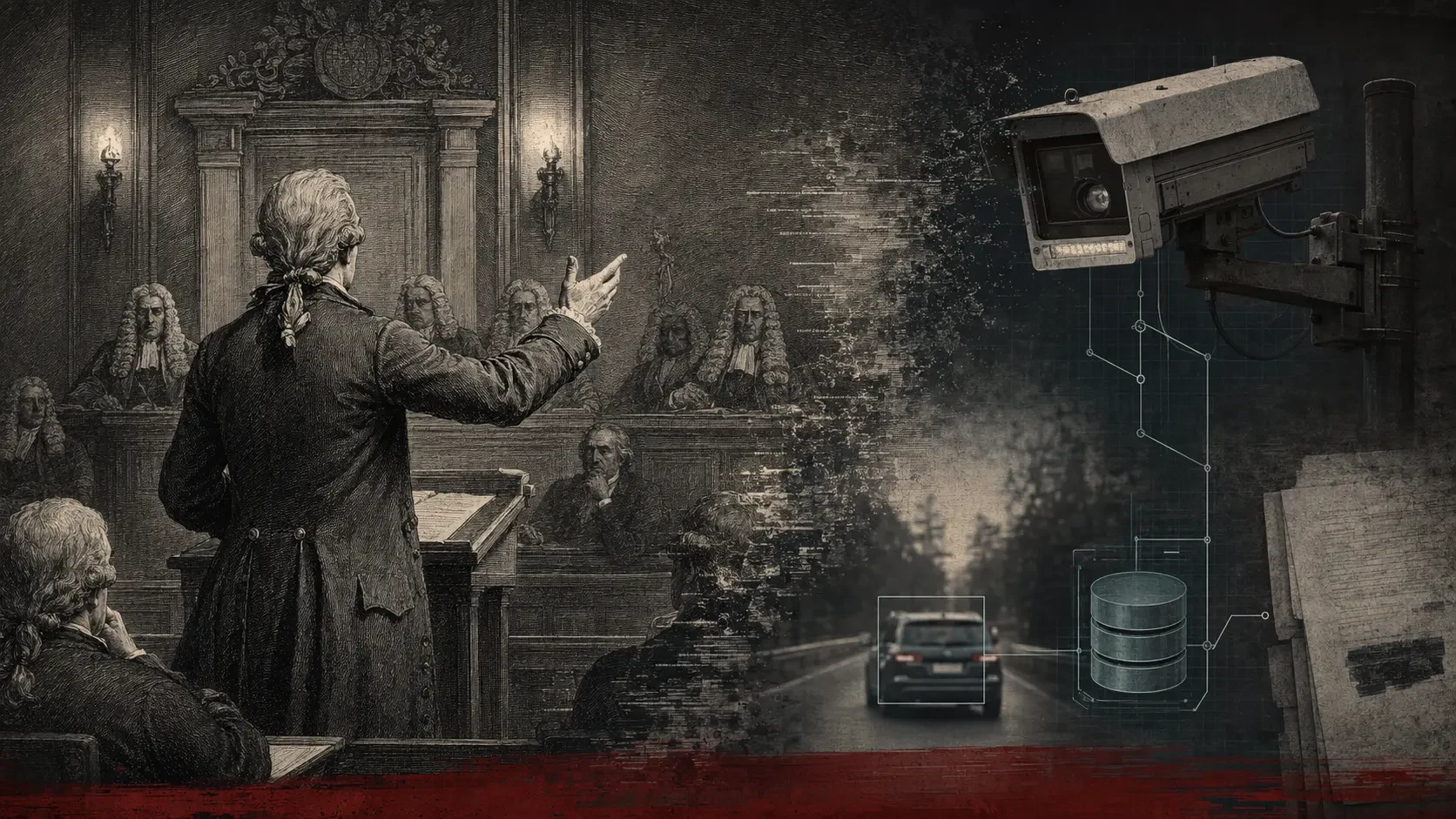
Confirmed by court records
What the filings establish
Court filings confirm that HSI used Section 1509 administrative summonses during the investigation and that the United States filed a July 31 brief defending that use. A February 24 order separately denied five search warrant applications for failure to establish probable cause.
Actively disputed
What the parties contest
Defense filings characterize the use of more than 90 summonses for telecommunications, online, travel, employment, and financial information as an unlawful use of customs authority and part of outrageous government conduct. The government argues that HSI inherited broad Customs Service authority and that the summonses were proper. Those competing positions have not been finally resolved.
Continuing watch
What happens next
Track rulings on discovery, suppression, dismissal, the legality and scope of Section 1509, disclosure of summons recipients and returned records, any appeal, and related civil challenges to DHS administrative summonses.
Counsel and appearances
Who is litigating the record
Government and warrant applications: U.S. Attorney's Office for the District of Minnesota; individual government attorneys are under verification. The NACDL case tracker currently identifies Jill A. Brisbois for Chauntyll Allen, Abbe David Lowell for Don Lemon, Isabella Salomao Nascimento for Georgia Fort, Sarah Gad for Ian Austin, A. L. Brown for Jamael Lundy, Andrew S. Birrell for Jerome Richardson, Jordan S. Kushner for Nekima Levy-Armstrong, Robert D. Richman for Trahern Crews, and James S. Becker for William Kelly. Other defense appearances remain under verification. Press-freedom amici include the Knight First Amendment Institute and Reporters Committee for Freedom of the Press. The linked warrant order does not independently verify these later appearances; current appearances remain under primary-docket verification.
Appearances may change. The tracker distinguishes the related warrant proceedings from the criminal docket.